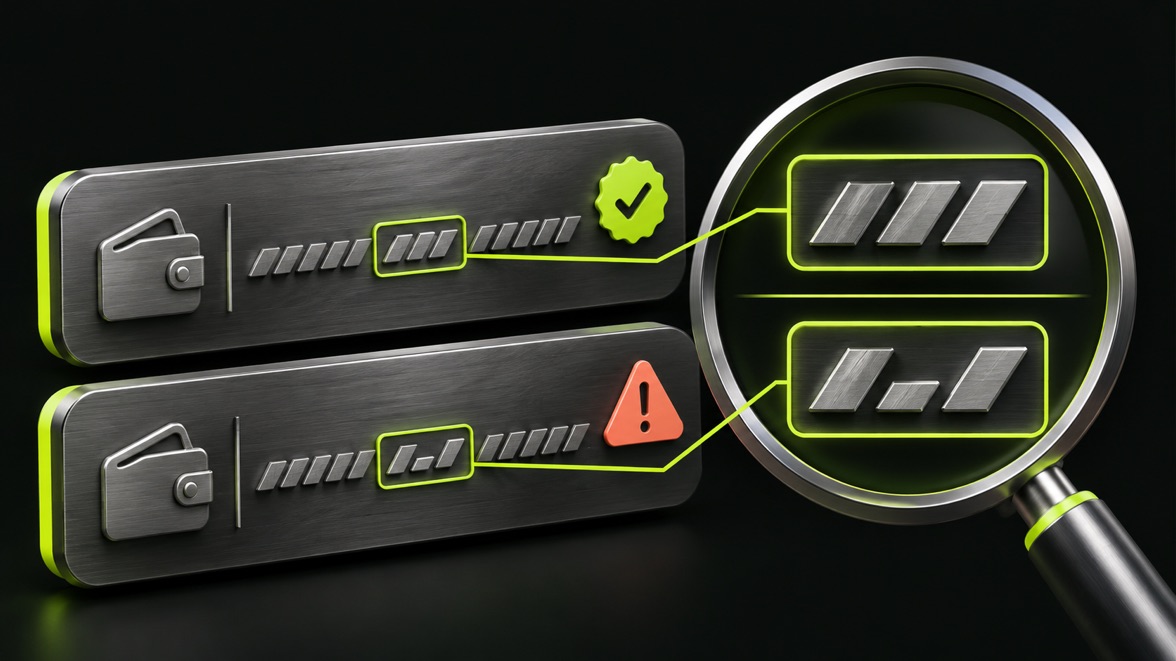
TRON address poisoning: avoid sending USDT to a lookalike address
Recognize lookalike TRON addresses, verify USDT payment details and respond safely if a transfer went to the wrong recipient.
Read article →
Practical guides to TRON Energy, USDT TRC-20 fees, staking and transfer troubleshooting.
Recognize lookalike TRON addresses, verify USDT payment details and respond safely if a transfer went to the wrong recipient.
Read article →
Understand which wallet records are public, what they cannot prove about the owner, and why viewing an address does not grant access to USDT.
Read article →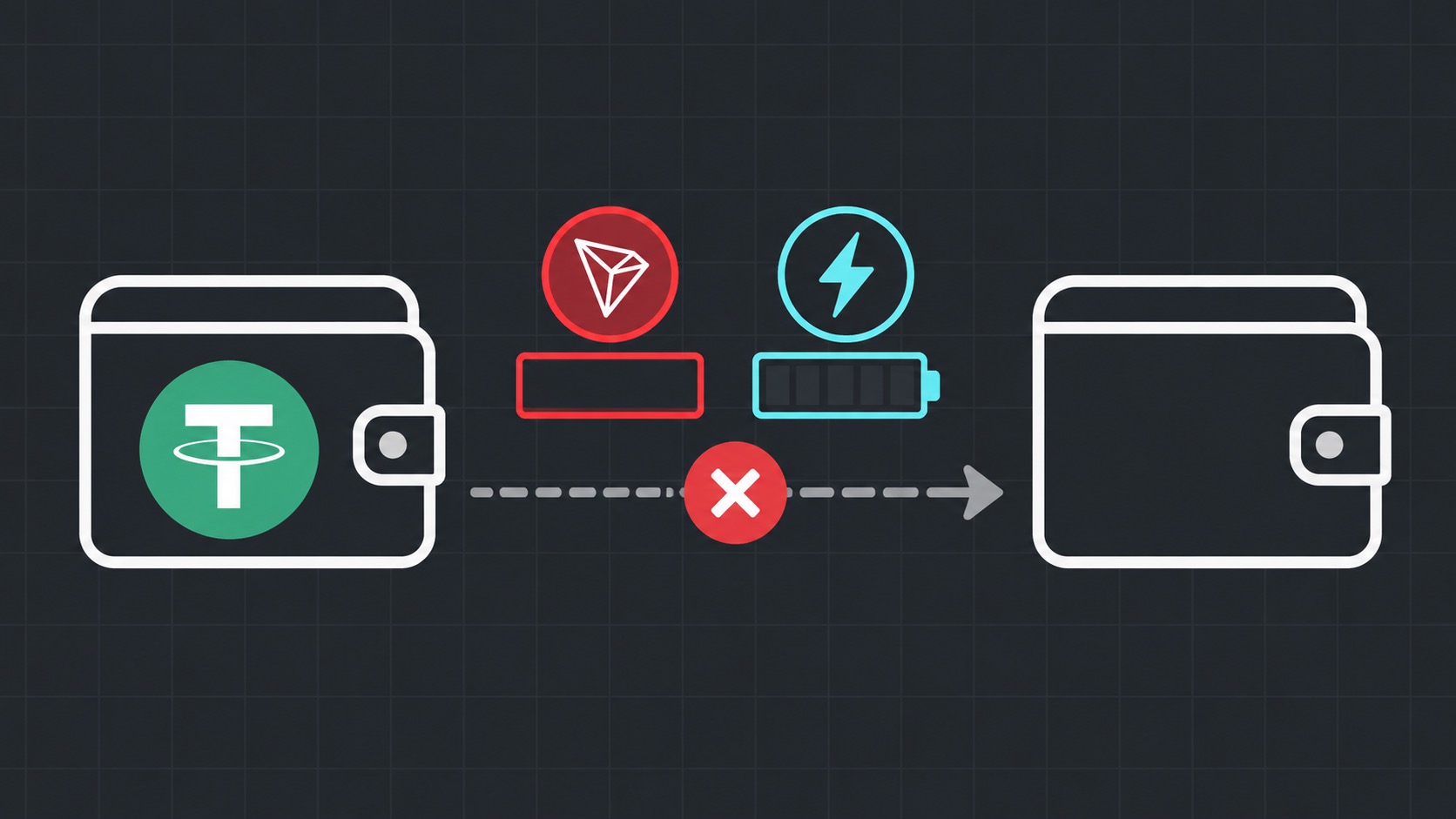
Find your sending address, estimate Energy, verify rental delivery and inspect the final USDT transfer fee in TronLink.
Read article →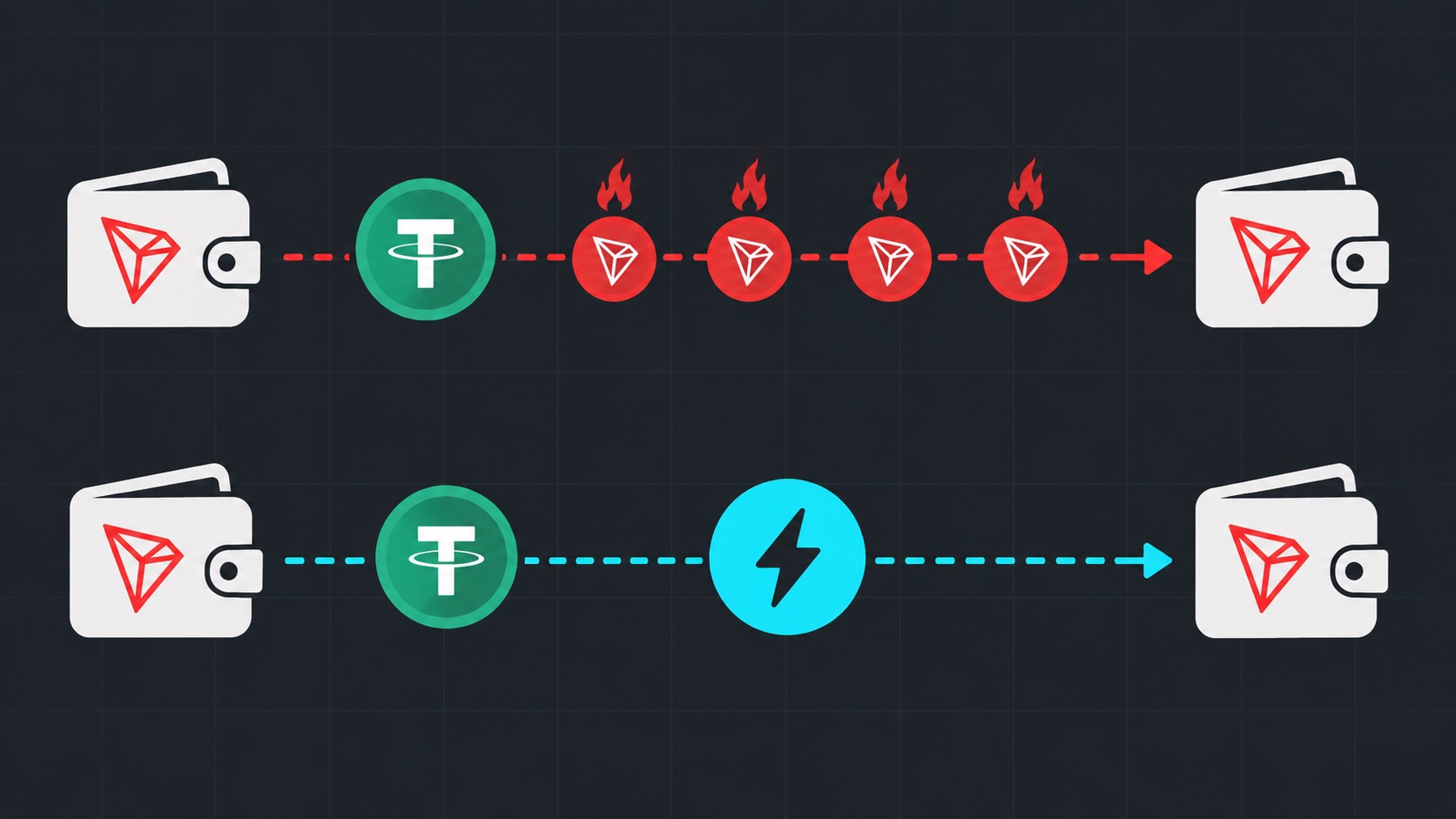
Compare complete transfer costs, verify the Trust Wallet sending address and avoid buying Energy twice.
Read article →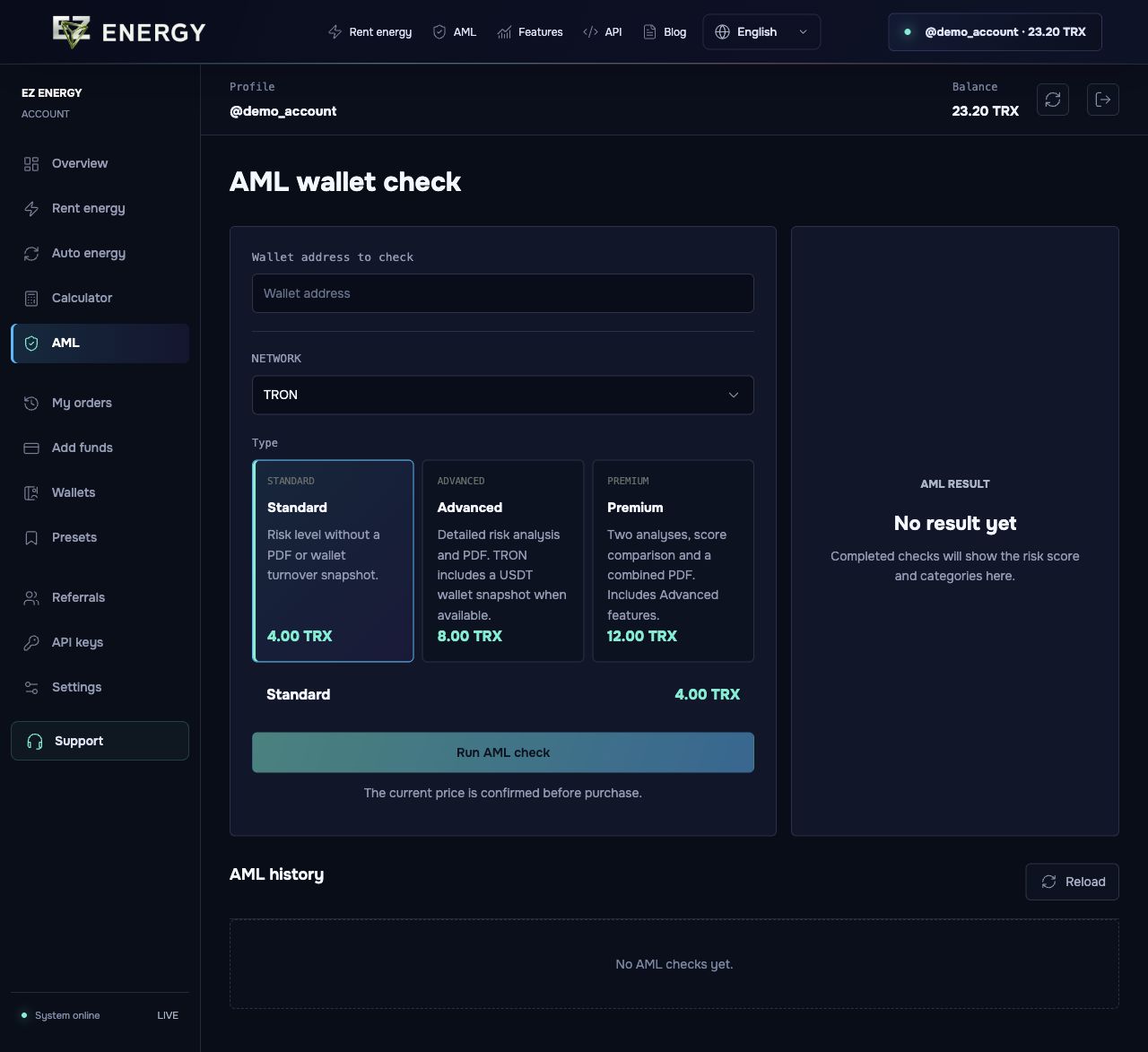
Find the correct TRC-20 address, distinguish a direct wallet match from indirect exposure, and keep a record of the screening result.
Read article →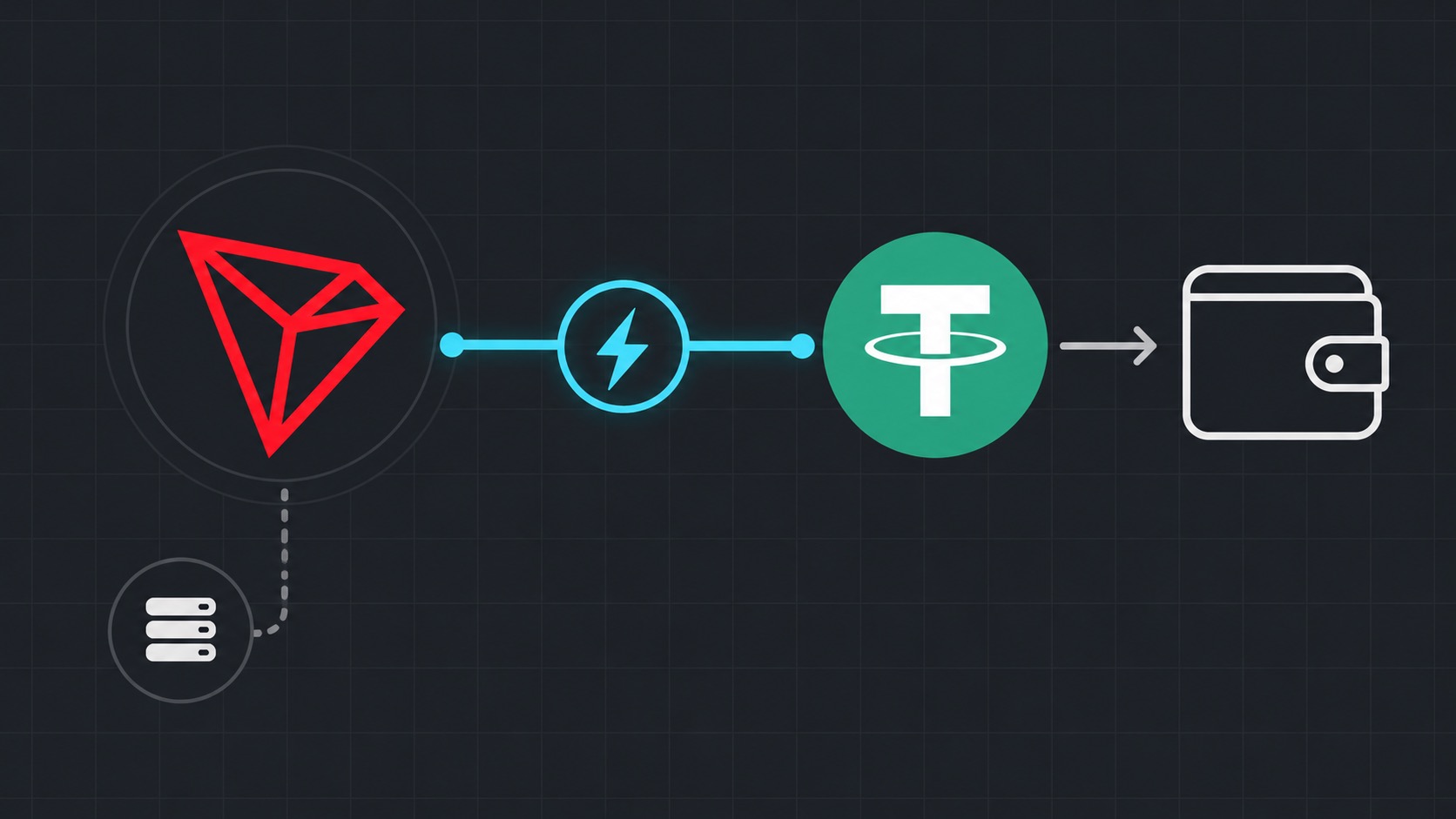
Understand the difference between TRON resource delegation and token approvals, and verify Energy on the sender address before transferring USDT.
Read article →
Find a missing USDT deposit by checking its TRON transaction hash, token transfer, destination and exchange deposit requirements.
Read article →
What to do after choosing the wrong network for USDT, and how address control affects recovery on TRON, Ethereum or BNB Smart Chain.
Read article →
Review TRC-20 token allowances, revoke unused approvals, and distinguish contract permissions from TRON account permissions.
Read article →
Convert a per-Energy rate to TRX and compare rental packages without missing extra costs.
Read article →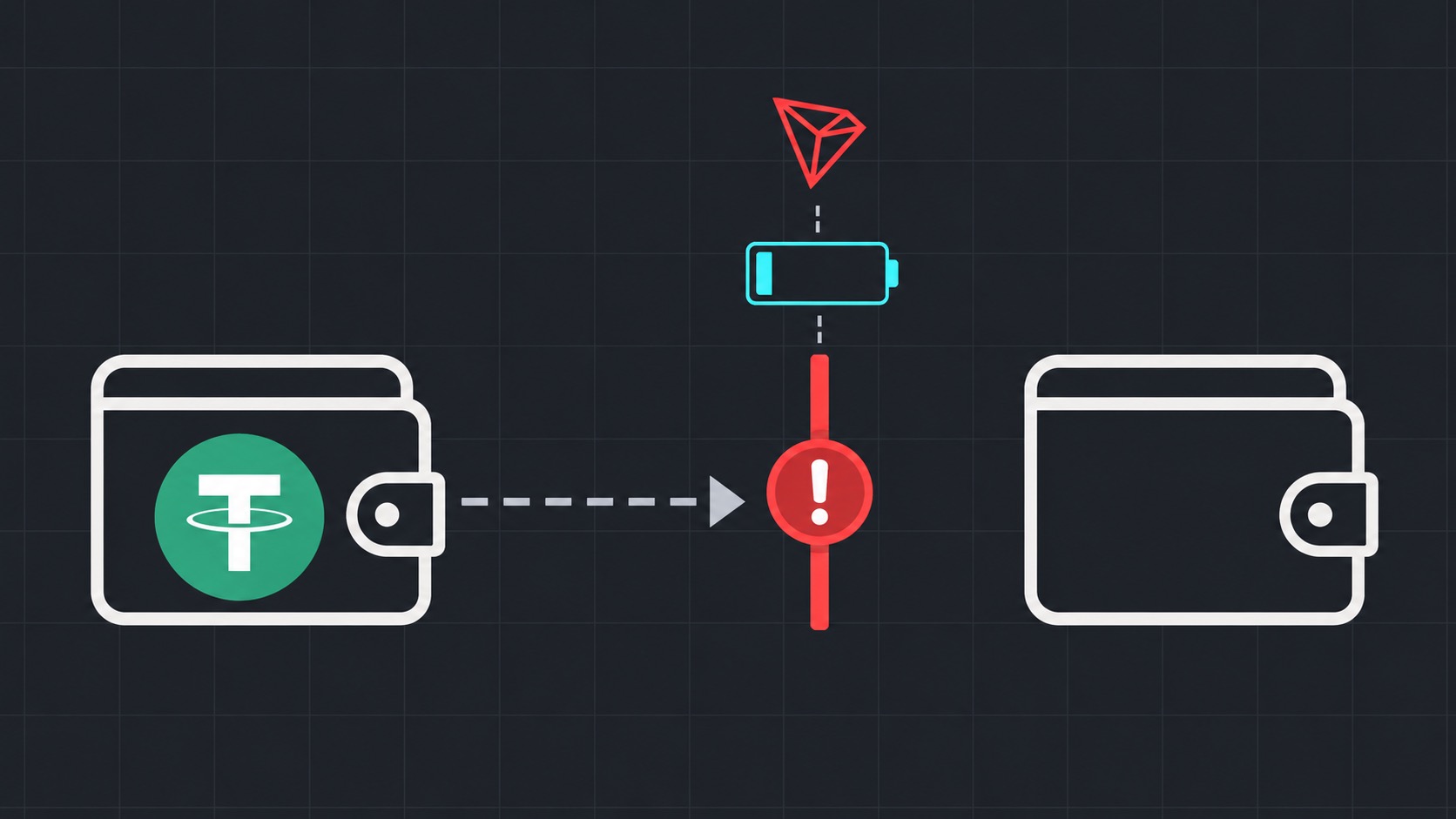
Fix FAILED-OUT_OF_ENERGY on TRON: check Energy, fee_limit and Tronscan, then rent resources with EZ Energy before submitting a new USDT transfer.
Read article →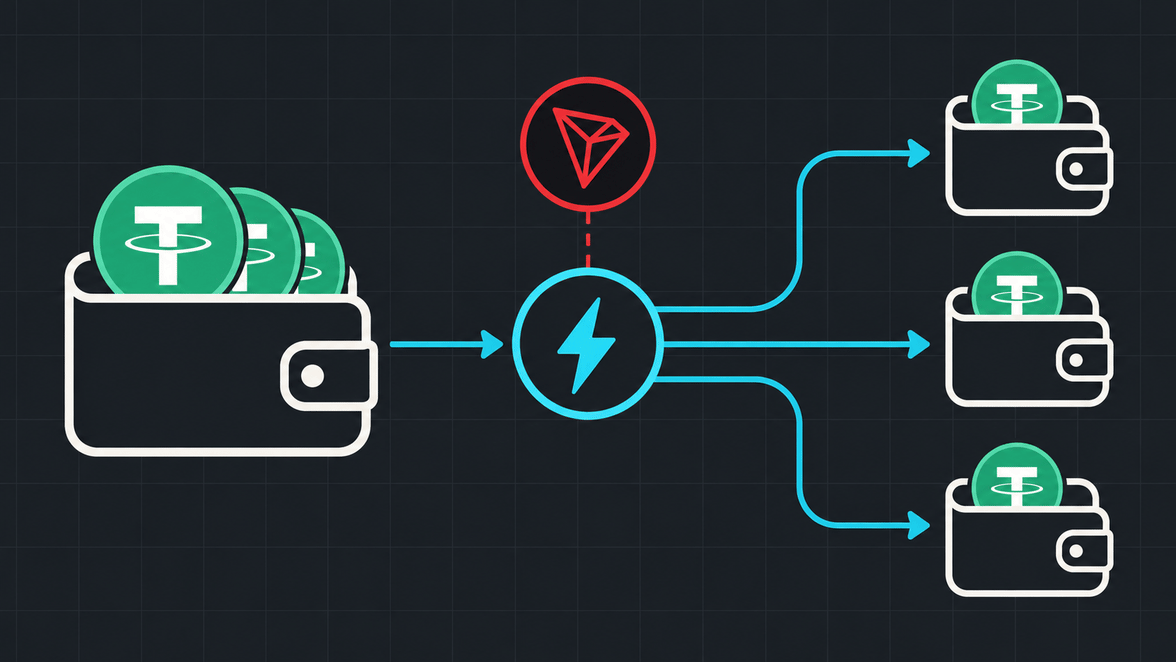
How to build bulk USDT TRC-20 payouts with Energy quotes, idempotent API orders, queues, safe retries and delivery verification.
Read article →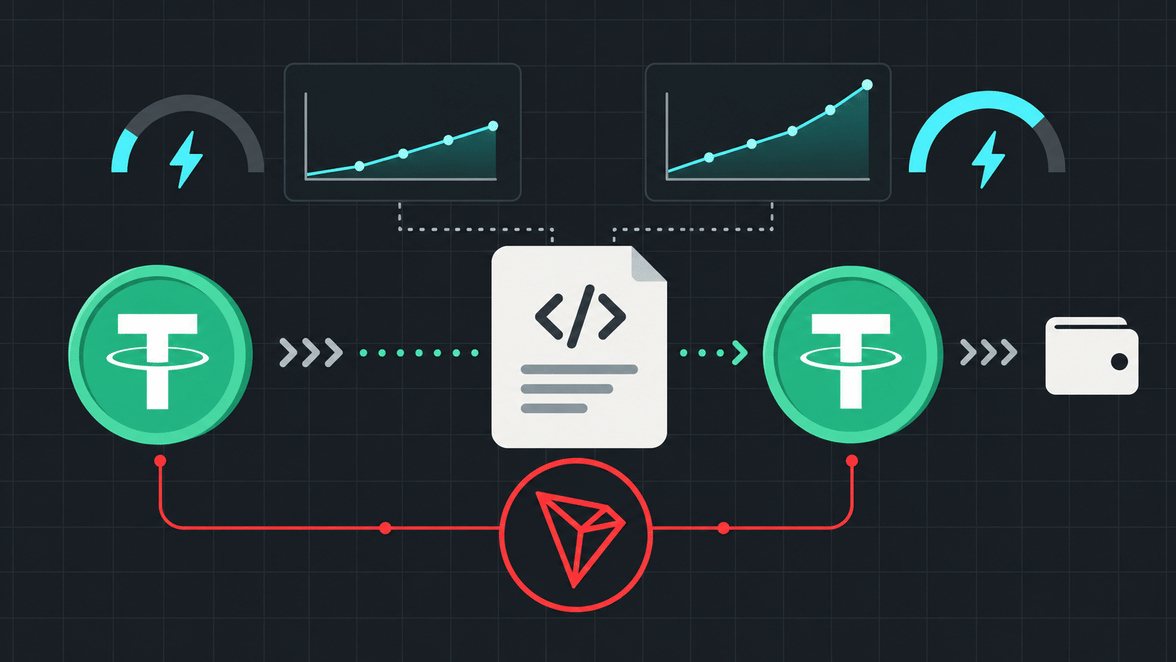
Learn what changes TRON Energy use, why 65K and 131K are estimates, and how to calculate a transfer immediately before sending.
Read article →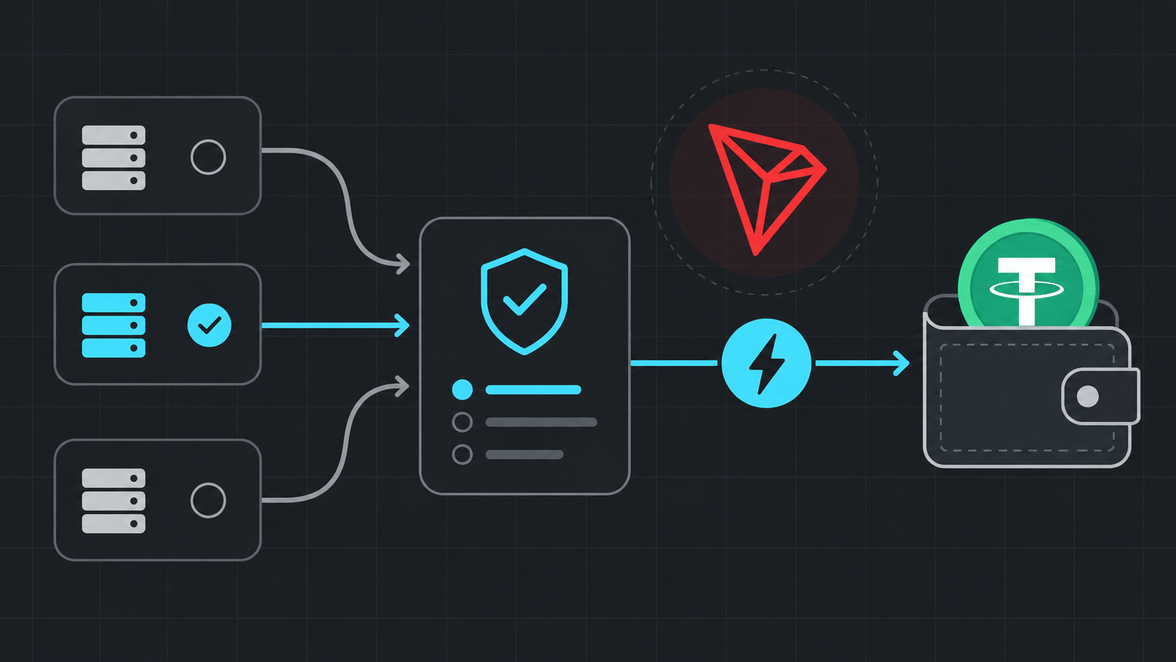
A practical checklist for TRON Energy rental: key safety, transparent quotes, order status, refunds, API reliability and on-chain verification.
Read article →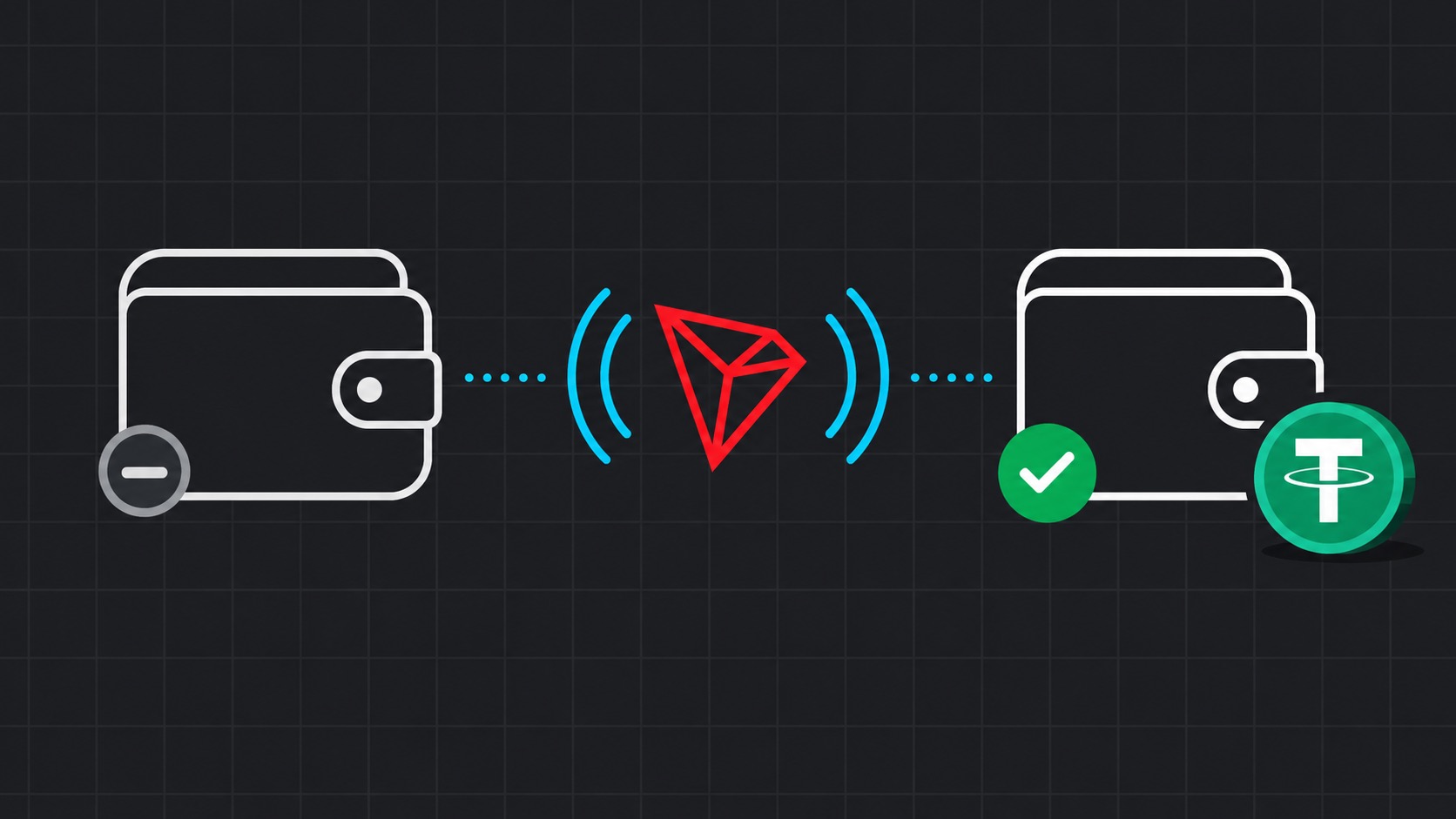
Learn what an inactive TRON address means, how to activate it safely and why Energy cannot be delegated before activation.
Read article →Why a USDT TRC-20 wallet can fail to send at zero TRX, what insufficient Energy means, and practical ways to complete the transfer.
Read article →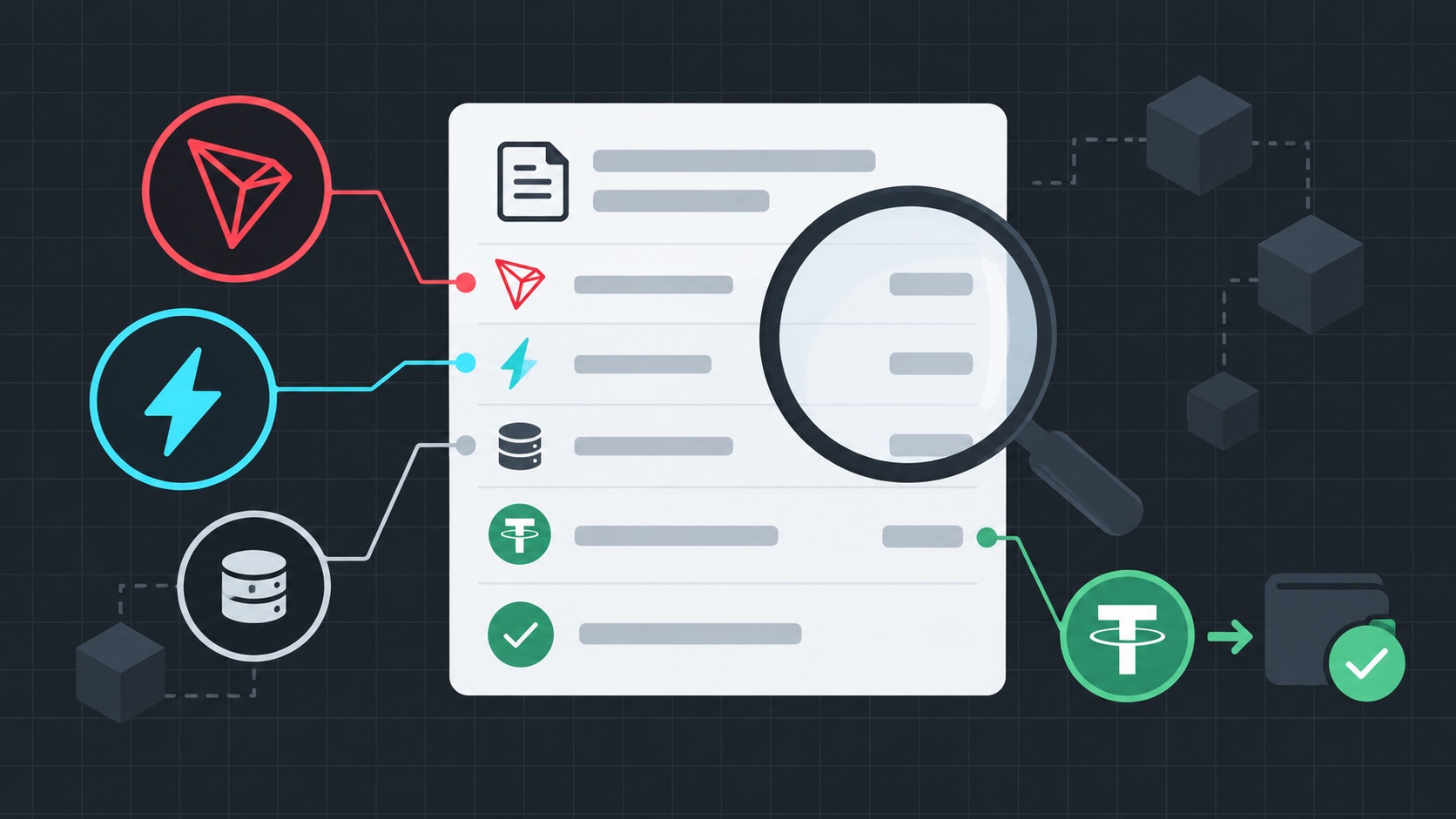
Find the actual TRX fee, Energy usage, Bandwidth usage, status and failure reason for a USDT TRC-20 transaction.
Read article →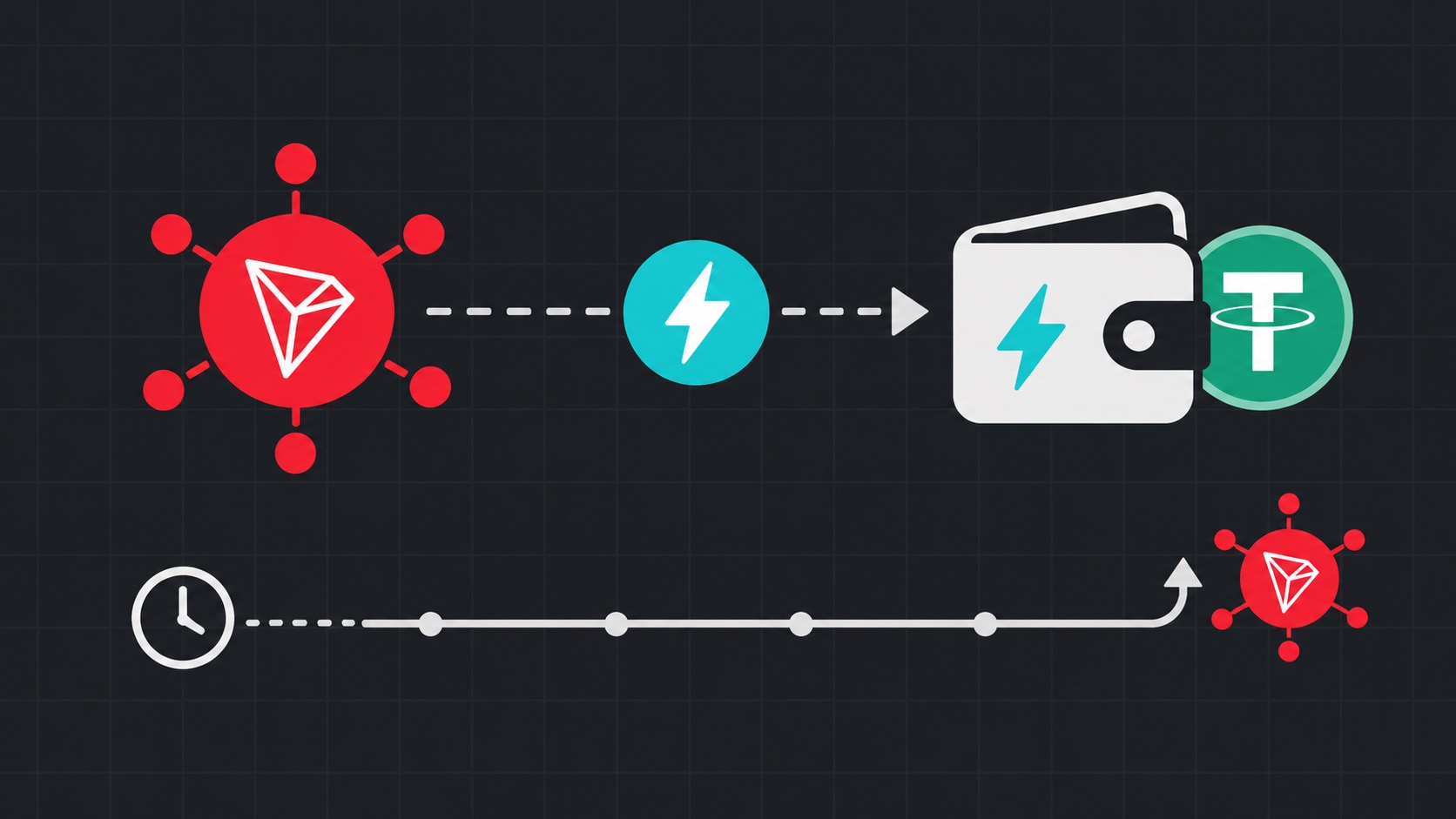
Understand Energy delegation duration, unused resources and what happens when a rental period ends.
Read article →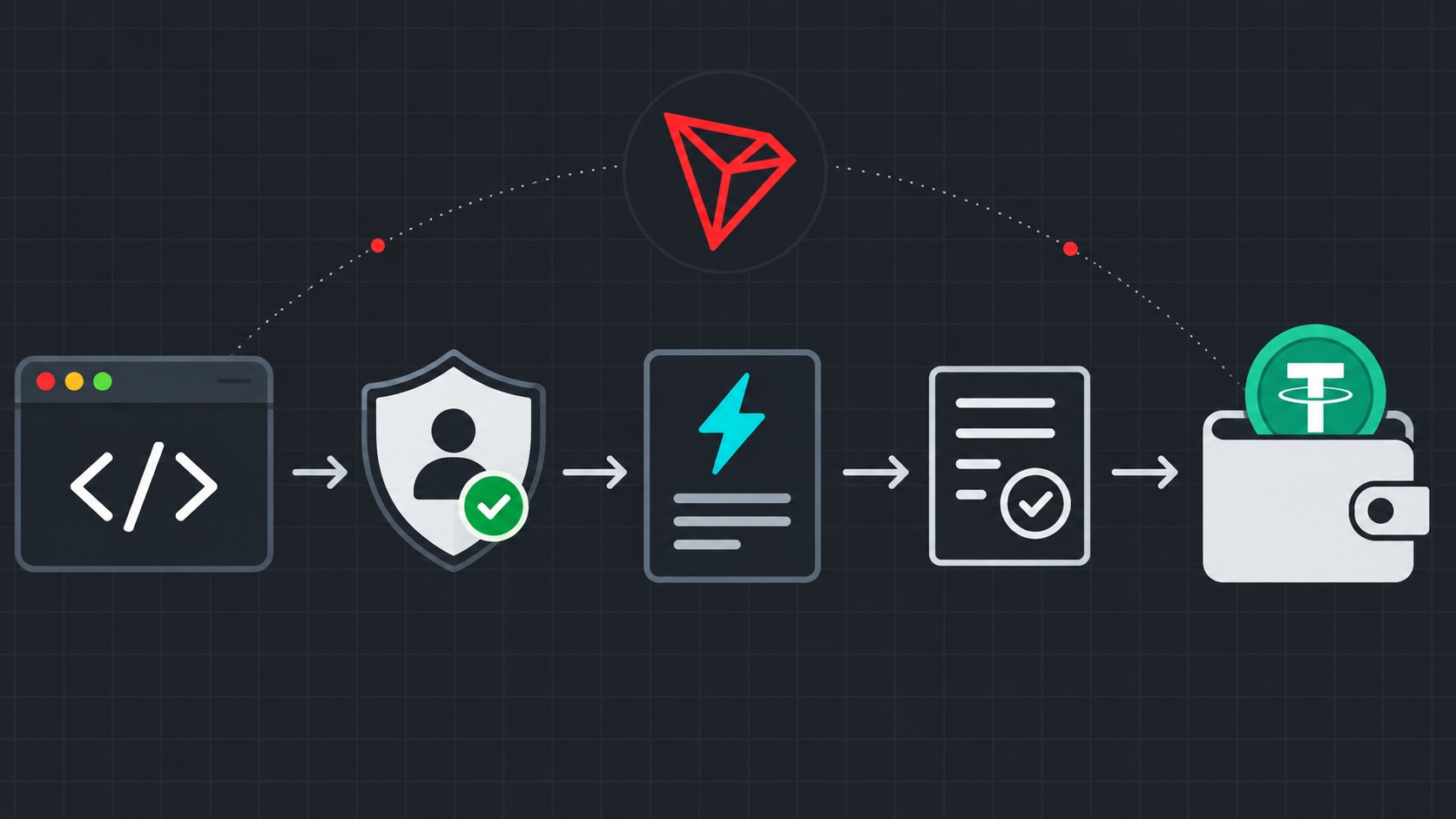
Integrate address analysis, live quotes, Energy orders and status tracking without duplicate charges.
Read article →A clear guide to Energy and Bandwidth on TRON, what a USDT TRC-20 transfer consumes and when TRX is burned.
Read article →A practical comparison of TRX burning, staking and Energy rental for lower-cost USDT transfers on TRON.
Read article →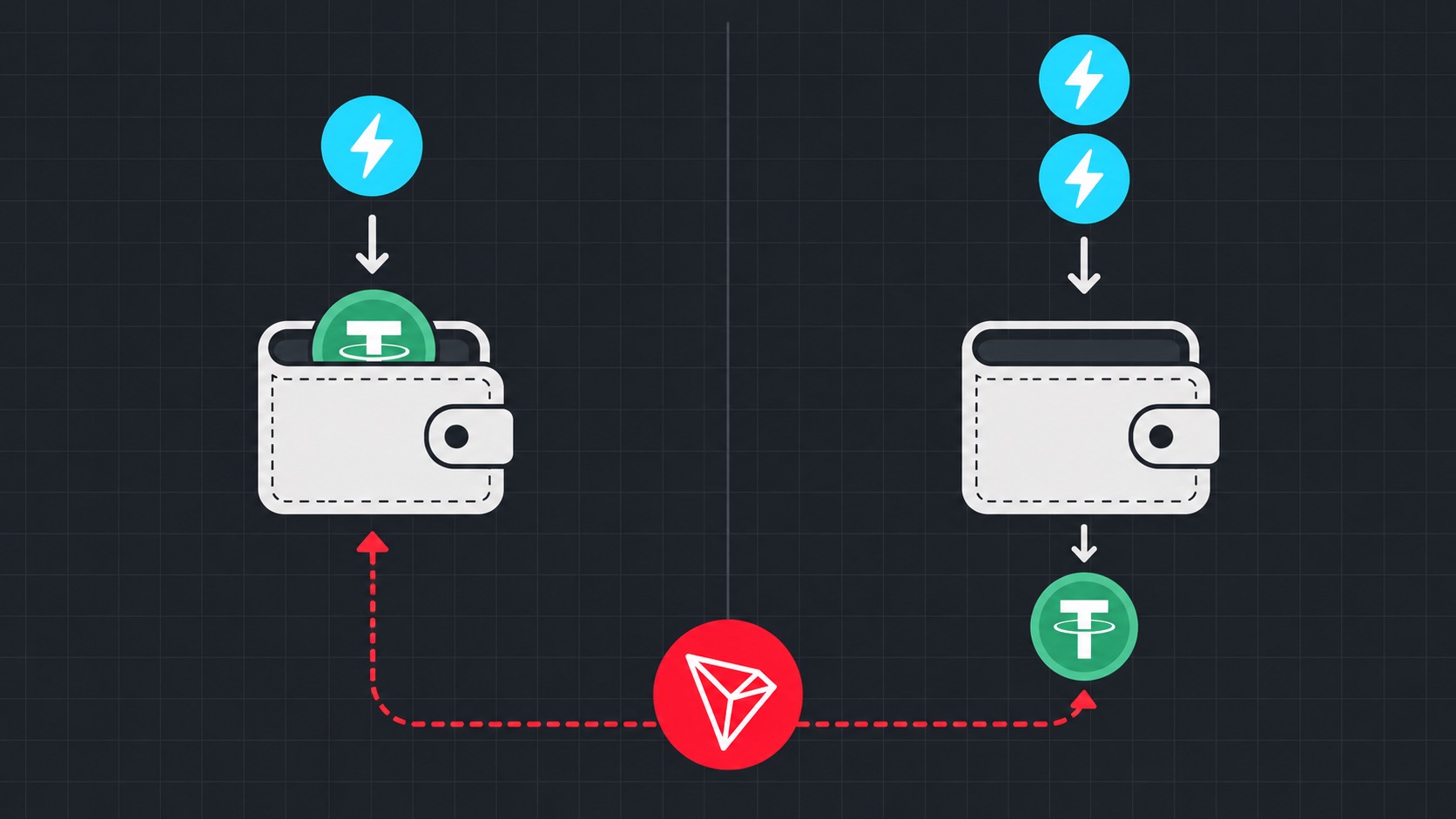
Why 65,000 and 131,000 Energy are common estimates, how recipient state affects usage and why every order needs a fresh quote.
Read article →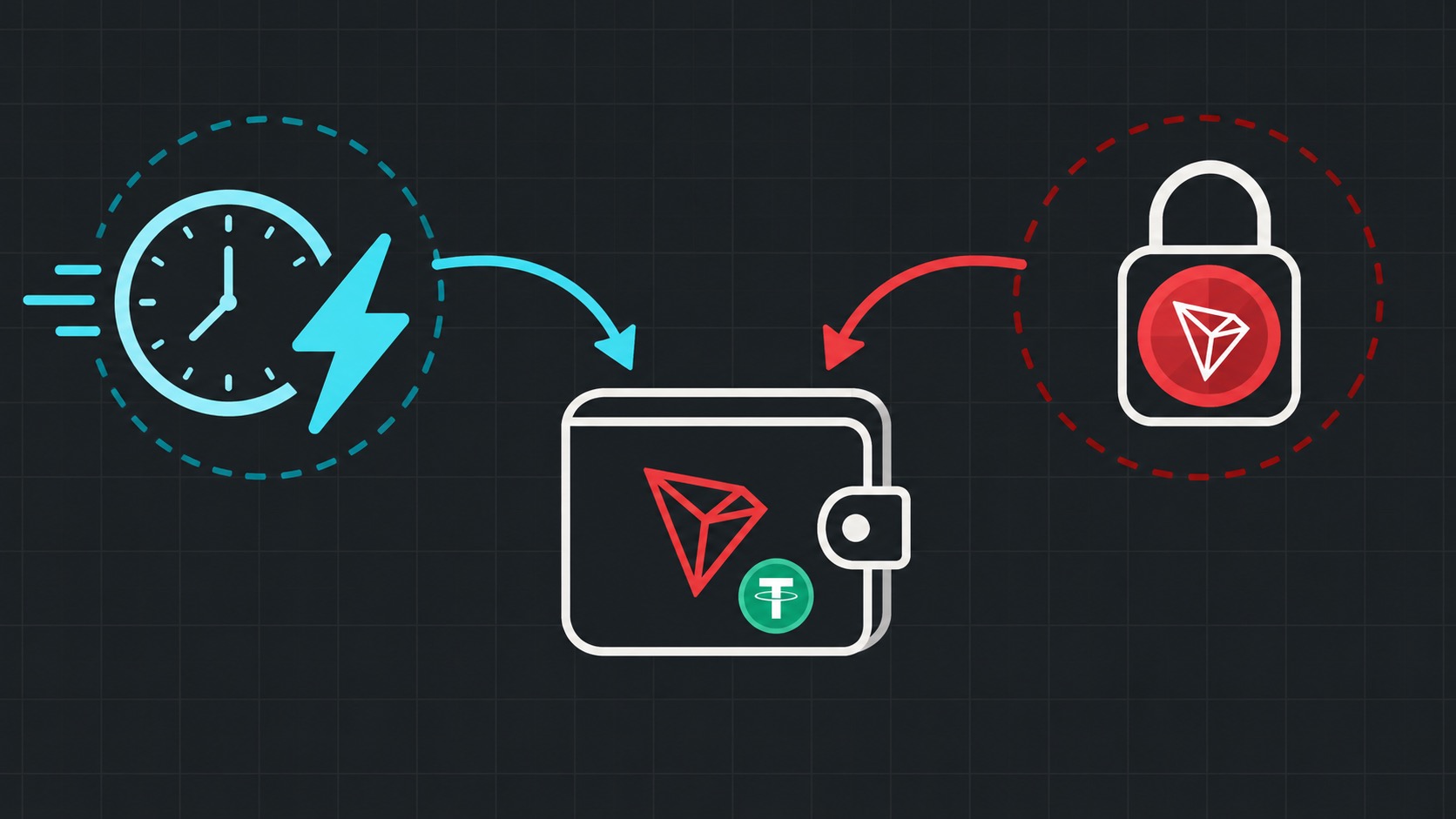
Compare Energy rental, TRX staking and TRX burning for occasional or recurring USDT TRC-20 transfers.
Read article →Check Energy, TRX, Bandwidth, fee limit, recipient address and transaction receipts after a failed USDT transfer on TRON.
Read article →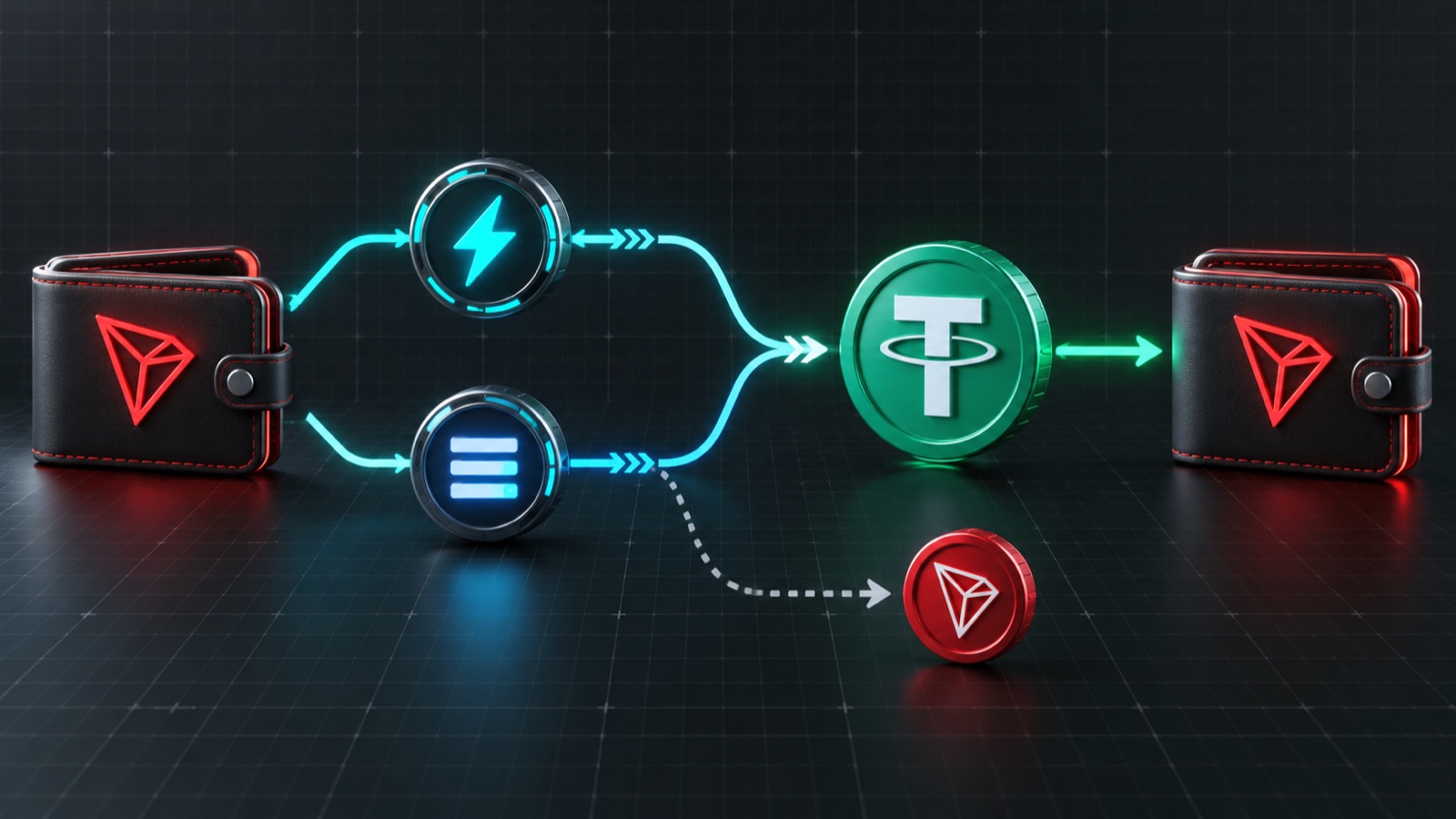
Why rented TRON Energy may not remove every fee, what Bandwidth is and where a small TRX charge comes from.
Read article →